Our Courses
We Also Offer Workflow Training Courses And Programs Using Simulator Software Tools.

Course Outline
Key principles and industry terms Control hardware, HMI, and SCADA systems Pressure, flow, level, temperature sensors Integration of process and instrumentation needs Control strategies for pumping, aeration, chemical feed, and other processes Documentation and commissioning Avoiding errors in selection and application System costs Case studies and class workshops
Course Outline
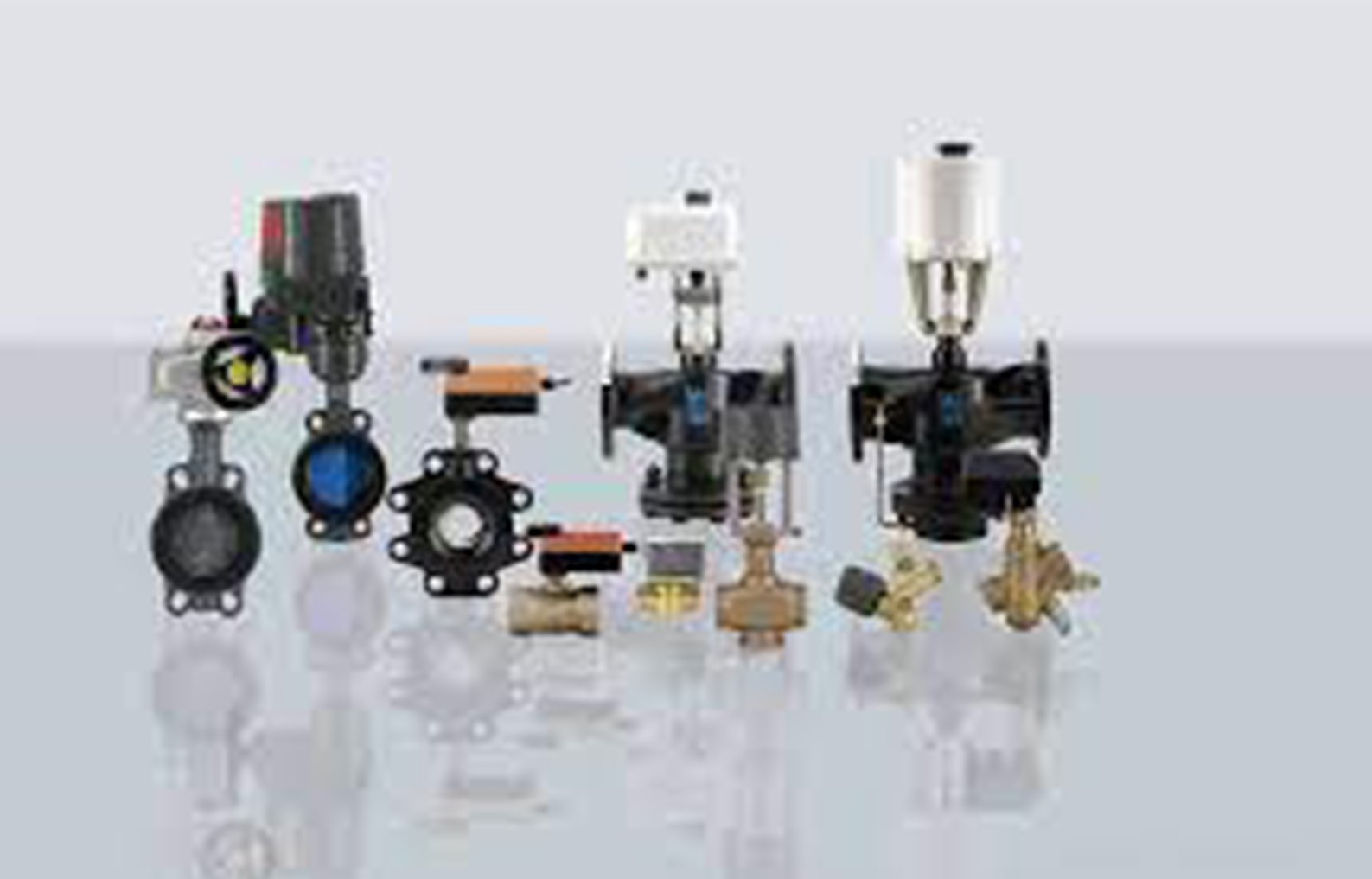
Operating principals and specification criteria for field measurement devices including level, pressure, temperature, and flow Final elements and actuators including control loops, control valves, shutdown valves, actuators, and transducers P&ID symbols and instrument tags, loop and logic diagrams, pitfalls and best practices, ISA symbology, and creation of instrument and I/O lists

Course Outline
Recall the basics of fluid mechanics Identify the fundamental problems related to uncertainty Compare the different methods of measuring flow in the oil and gas industries
Course Outline
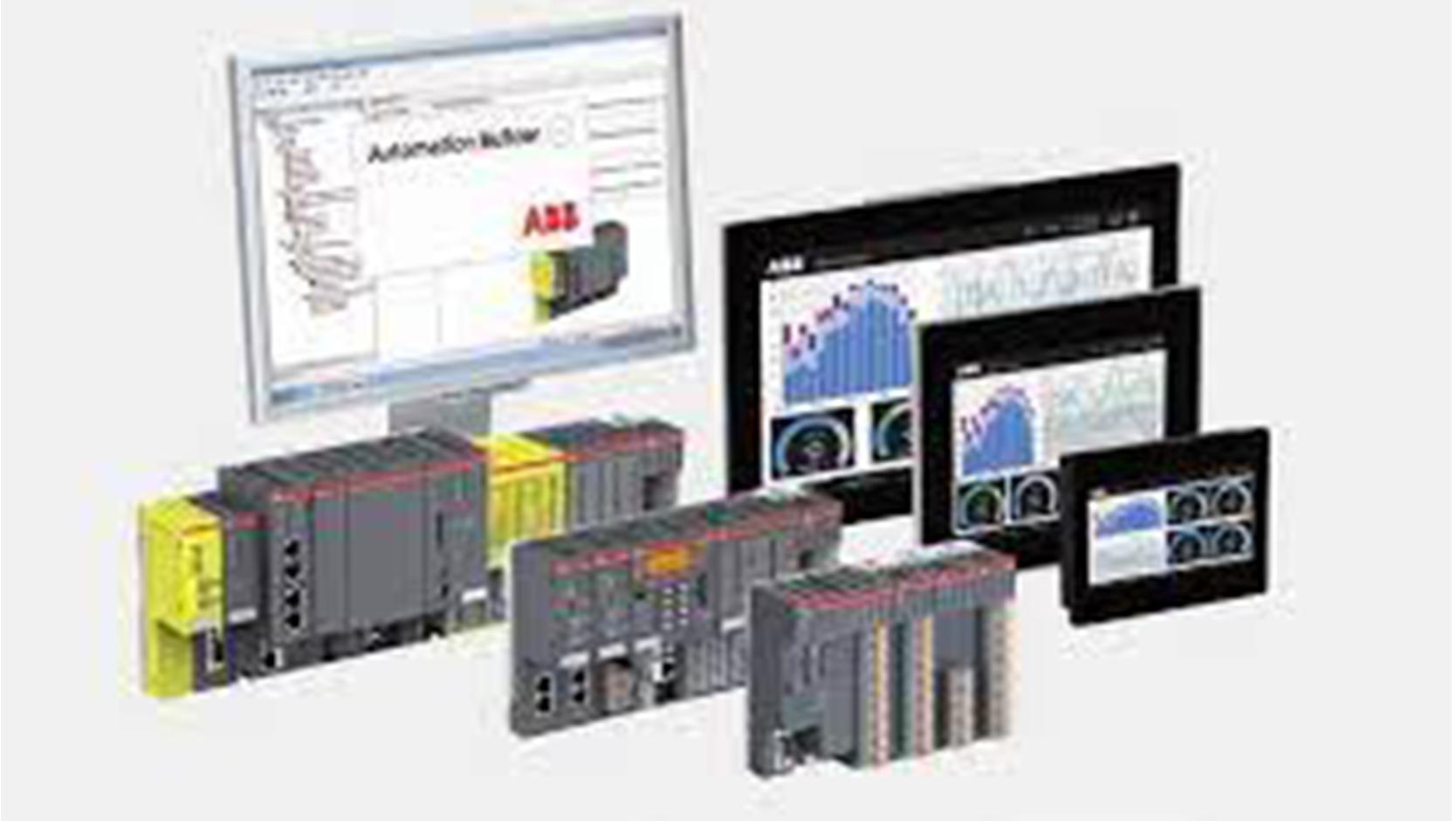
Describe the fundamental principles of the PLC Identify the basic components Write a ladder logic program Explain the basics of advanced programming according to IEC 61131-3 Compare different methods of analog processing Apply common-sense installation practices Examine the different components of a SCADA system Describe the basic principles of serial communications Evaluate the requirements for PLC-to-SCADA communications Distinguish the specific requirements of the PLC in safety-related applications

Course Outline
Fundamental concepts of electricity including voltage, current, resistance, power, inductance, capacitance, and power factor The key components of facilities electric power distribution, which include circuit arrangements, low and medium voltage switchgear, and single-phase and three phase schemes Transformer operations, components, turns and voltage ratios, losses, efficiency, rating, and connections The difference between direct current, induction and synchronous current motors, motor enclosures, and how to select, start, protect, and control motors

Course Outline
Operating principals and specification criteria for field measurement devices including level, pressure, temperature, and flow Final elements and actuators including control loops, control valves, shutdown valves, actuators, and transducers P&ID symbols and instrument tags, loop and logic diagrams, pitfalls and best practices, ISA symbology, and creation of instrument and I/O lists Signal types and wiring requirements for analog/discrete inputs and outputs as well as other signals such as thermocouple, RTD, pulse, and digital communications Typical control system functions, limitations, and architectures for PLC and DCS systems including programming methods such as ladder logic and function block